
Sweepstakes Casino Payment Methods: Purchase and Cashout Options
 Available in US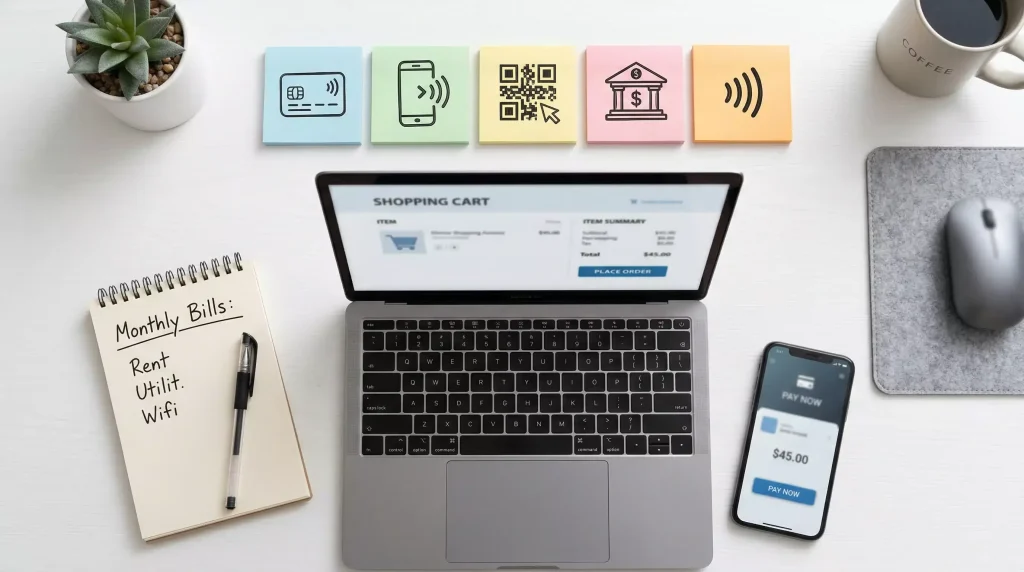
The payment experience at a sweepstakes casino has two sides: money going in and money coming out. On the way in, you’re buying Gold Coin packages — a purchase that legally classifies as buying virtual entertainment tokens. On the way out, you’re redeeming Sweeps Coins for cash prizes — a process that triggers identity verification and can take anywhere from hours to weeks depending on the platform and the method you choose.
Players redeemed more than $7 billion in Sweeps Coins across the industry in 2026 — a figure that reflects operator payout rates of roughly 65–70% of Gold Coin purchases returned as cash prizes — which means the payout infrastructure is handling serious volume. But the methods available for both purchasing and redeeming vary significantly between platforms, and the fees, processing times, and minimum thresholds can differ enough to affect which platform makes sense for your situation. Money in, money out — here’s the full map of options.
Gold Coin Purchase Gateways: Accepted Financial Instruments
Purchasing Gold Coins is the primary revenue mechanism for sweepstakes casinos, and operators make the buy flow as frictionless as possible. The available payment methods for purchases typically include the following.
Credit and debit cards. Visa, Mastercard, and occasionally American Express and Discover. Card payments are instant — the Gold Coins and bundled Sweeps Coins appear in your account immediately after the transaction clears. Cards are the most widely accepted purchase method across all sweepstakes platforms. However, some banks may flag sweepstakes casino transactions as gambling-related and decline them. If your card is declined, try a different card or contact your bank to authorize the transaction category.
Online banking (ACH). Direct bank transfers through services like Trustly, Plaid, or similar banking connectors. You link your bank account and authorize the payment directly. ACH transactions may take 1–3 business days to settle, though some platforms credit your account instantly based on the pending authorization. Online banking typically has higher transaction limits than cards, making it preferred for larger purchases.
E-wallets. PayPal, Skrill, and Apple Pay are available on a growing number of platforms. E-wallets offer instant processing and an additional privacy layer (the sweepstakes casino name doesn’t appear on your bank statement — only the e-wallet transaction does). PayPal availability in particular has expanded in 2026–2026, though not all platforms have secured PayPal integration.
Cryptocurrency. Bitcoin, Ethereum, Litecoin, and stablecoins (USDT, USDC) are accepted on some platforms. Crypto transactions require blockchain confirmation and may take 10–60 minutes for Bitcoin or 1–5 minutes for faster networks. Crypto purchases avoid the banking friction that sometimes affects card transactions but introduce price volatility risk for non-stablecoin payments.
With average monthly spending per user ranging from $10 to $50, most Gold Coin purchases are small transactions. The payment method you choose should prioritize speed and convenience for these amounts rather than optimizing for fees — the fee difference between methods on a $20 purchase is negligible. For larger purchases ($50+), online banking or stablecoins may offer small savings on processing fees compared to credit cards.
Cashing Out Sweeps Coins: Bank Transfer, E-Wallet, and More
Redeeming Sweeps Coins — converting them from digital tokens to real money in your account — is where the payment landscape becomes more restrictive. Not every platform offers the same redemption methods, and the options are typically narrower than what’s available for purchases.
Bank transfer (ACH). The most universally available redemption method. Funds are transferred directly to your linked bank account. Processing takes 1–5 business days after approval, plus whatever time the KYC verification adds to a first-time redemption. Bank transfers are free on most platforms, though a few charge a small flat fee ($1–$3) per transaction.
E-wallets. Skrill is the most common e-wallet option for redemptions, available on many established platforms. PayPal is available on some but not all. E-wallet redemptions typically process faster than bank transfers — 24–48 hours is standard for verified accounts. The funds land in your e-wallet balance, from which you can transfer to your bank account or use directly.
Prepaid cards. Some platforms offer redemption to virtual prepaid Visa or Mastercard, which you can use for online purchases or link to a digital wallet. Prepaid card redemptions can process quickly (sometimes same-day) but may carry fees for card issuance or ATM withdrawals if a physical card is involved.
Cryptocurrency. A smaller number of platforms allow SC redemption in Bitcoin, Litecoin, or stablecoins. Crypto redemptions can be faster than bank transfers (minutes rather than days) and offer privacy benefits, but availability is limited and fees vary depending on network conditions at the time of payout.
One important restriction: most platforms require that your redemption method matches your purchase method, at least for the first withdrawal. If you bought Gold Coins with a Visa card, the platform may require your first redemption to go to the same card or to a bank account under the same name. This is an anti-fraud measure designed to prevent money laundering through the platform. Subsequent redemptions may have more flexibility, but expect the first one to follow the purchase path closely.
Processing Fees, Timelines, and Minimum Thresholds
The fee and timing landscape varies enough between platforms that it’s worth checking before you commit to a casino based on its game library alone.
Purchase fees. Most platforms absorb payment processing fees on Gold Coin purchases — the price you see is the price you pay. A few platforms add a small surcharge (2–3%) for certain payment methods, particularly cryptocurrency or less common e-wallets. Card payments are almost always fee-free from the player’s perspective.
Redemption fees. The majority of established platforms process redemptions without deducting fees. Some smaller or newer operators charge flat fees ($1–$5 per redemption) or percentage-based fees (1–3%) on payouts. Check the terms — if a platform charges redemption fees, factor that into your net return calculation, especially on smaller withdrawals where a $5 flat fee on a $50 redemption represents a 10% haircut.
Minimum redemption thresholds. The industry standard falls between 50 SC and 100 SC for a first redemption. Some platforms set it as low as 10 SC; others require 100 SC or more. The threshold determines how much you need to accumulate before any cash-out is possible. For players who primarily earn SC through free entry methods (AMOE, daily bonuses), higher thresholds mean longer accumulation periods before a redemption becomes available.
Processing timelines by method. Bank transfers take 1–5 business days after approval. E-wallets process in 24–48 hours. Prepaid cards can arrive same-day to 3 days. Crypto redemptions clear in minutes to hours, depending on network congestion. All of these timelines assume a verified account — first-time redemptions that trigger KYC add 1–7 additional business days to any of these windows.
Daily and weekly caps. Some platforms limit the amount you can redeem in a single transaction or within a time period. Common caps range from $2,000 to $10,000 per day, though some platforms have no stated limit. If you’re sitting on a large SC balance (from a jackpot or accumulated play), check whether you’ll need to split the redemption across multiple transactions and days.
The practical advice is simple: before you make your first Gold Coin purchase on any platform, check the redemption methods, fees, thresholds, and timelines. The buy side is easy. The cash-out side is where the differences between platforms become meaningful — and where informed choices save you time, money, and frustration.
Once you have accumulated enough winnings, follow our step-by-step instructions on how to redeem Sweeps Coins for real cash securely and without delays.
Always ensure you are playing on verified sites recommended by the top sweepstakes casino reviewers in the industry.